Cart
0
0.00 CAD
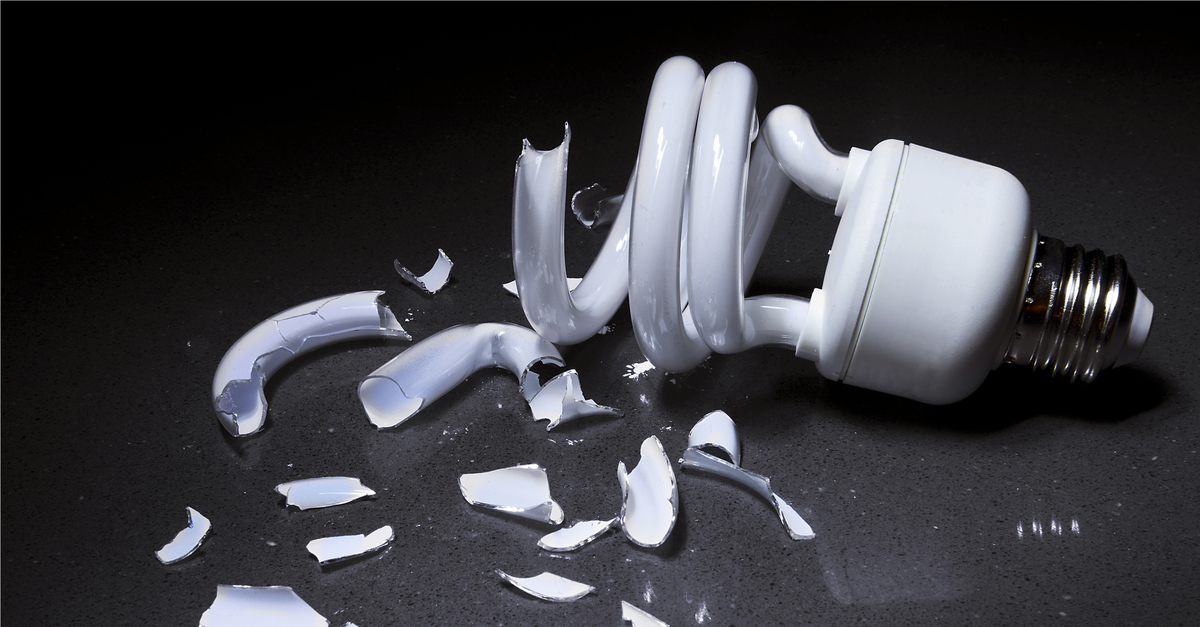
Mercury(Hg) is the chemical element of atomic number 80, a dense and heavy silvery-white metal that is liquid in a room temperature and the most important substance of the CFL light bulb. A single CFL light bulb contains about 4 milligrams of mercury that is wrapped around with a glass tube. Mercury in CFL light bulbs is mined in China, Kyrgyzstan and Peru. Another usage of mercury that is familiar to us are thermometers, barometers, and manometers.
Physical/Chemical Properties:
There are reasons why element mercury is used in different types of things. For a thermometer, lustrous mercury helps to figure out what the temperature at a glance. Also, mercury's heating point is really low(-38.83 °C) which makes mercury expand easily with a small amount of heat. However, the boiling point of mercury is 356.7°C which won't make mercury boil inside of the thermometer tube. In CFL light bulbs, mercury has a major job of transporting the heat and the electrical current while lasting longer than normal light bulbs.
Because of mercury's unique characteristics, mercury is really toxic. Mercury could escape from the CFL light bulbs when it is broken. It can do a huge impact on the environment once they dissolve into the land. Thankfully not like other toxic metals, mercury doesn't react with oxygen in the air.

Impact On The Environment:
In the human activity, collecting materials is the first process. Mining mercury causes specks of mercury dust to be sent to the atmosphere. Atmospheric mercury is settled into the water which transports to a bigger water source that contains countless fish settlement. When mercury makes contact with the bacteria in water, soil, or plants, they create a very poisonous substance called Methylmercury. Algae and other autotrophs photosynthesis using the contaminated water and fish such as salmons, trouts absorb methylmercury from producers and water. Those fish will be consumed by a higher tropical level such as albacores, halibuts, and etc. Contaminated fish are consumed by humans and other piscivores. Methylmercury harm our body travelling through our organ systems. Low exposure to methylmercury can cause a toxic effect in the nervous, digestive and immune systems, and on the lungs and neurological disorders, kidney failure, while high exposures can kill. Piscivores such as penguins and sea snakes transport the methylmercury to the apex predators.

Used CFL light bulbs can be recycled, however, not many people know this fact which cause them to just put it in the normal trash. Dead CFL light bulbs and other light bulbs are transported to the junkyard. While transporting the light bulbs, the moving trucks and pressure above them will cause the light bulbs to break. Light bulbs that contain mercury will be exposed. In the process of moving the trashes to the junkyard, the mercury will leak to the ground or water. Creating methylmercury with the soil. Mercury in the soil now enters plants. Diseased autotrophs will be consumed by herbivores such as rabbits and grasshoppers. Then, rabbits and grasshoppers are going to get sick eventually which will make them harder to run away from their predators and die quickly. The top predator's population decreases because of the change of numbers in herbivores. However, apex predators wouldn't easily be affected by the methylmercury because they have a bigger body size that can contain more things. Eatable methylmercury containing animals would be the way for it to enter the human body.
If you want to know more specifically about mercury problems, please watch this video to extend your awareness of mercury.
Back To Home